Evaluating the 3D Luxury Diamond Bling Tumbler for Custom Drinkware Projects
The market for custom drinkware has evolved significantly, shifting from simple solid-color designs to complex, high-impact visual statements. Among the trending assets available to makers and small business owners is the 3D Luxury Diamond Bling Tumbler. This digital design asset is specifically tailored for use with 20oz skinny tumblers, offering a sophisticated aesthetic that mimics the look of embedded gemstones or metallic foil without the need for expensive physical embellishments. For entrepreneurs in the sublimation and vinyl cutting spaces, understanding the nuances of this specific file type—its technical specifications, versatility, and limitations—is crucial for making informed purchasing decisions.
This analysis explores what the 3D Luxury Diamond Bling Tumbler entails, how it compares to alternative design approaches, and who will benefit most from integrating it into their product catalog. By examining the technical details provided by the creator, Chrisfina, we can better evaluate whether this asset aligns with your production capabilities and brand identity.
Understanding the Asset: Format and Technical Specifications
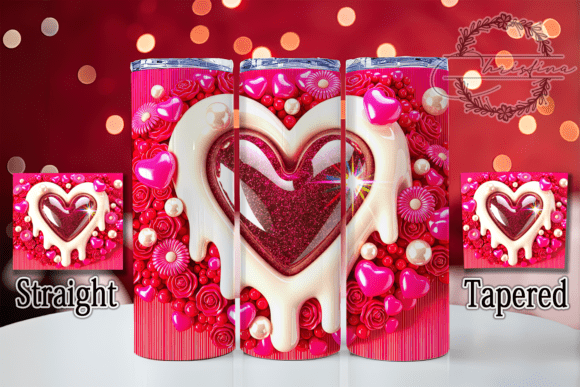
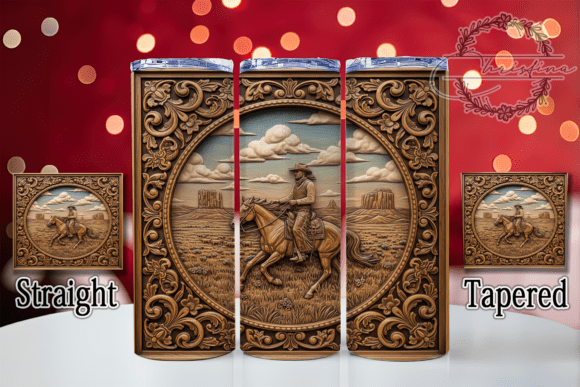
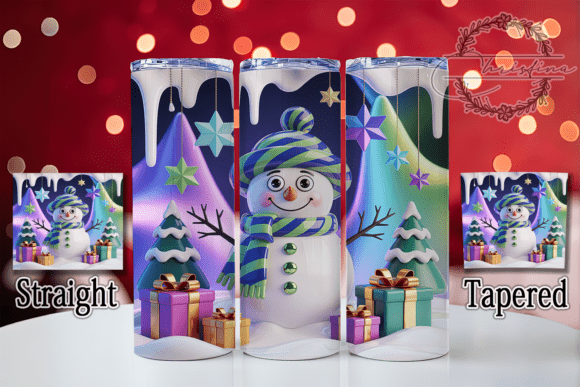
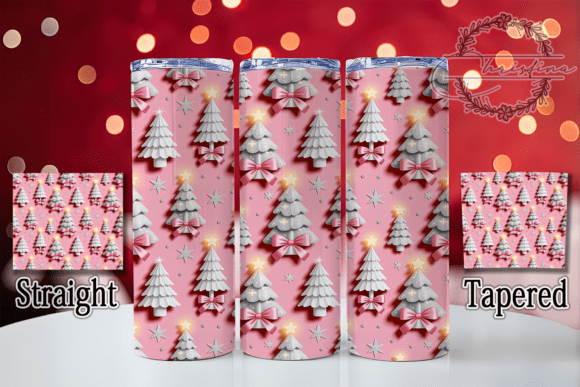
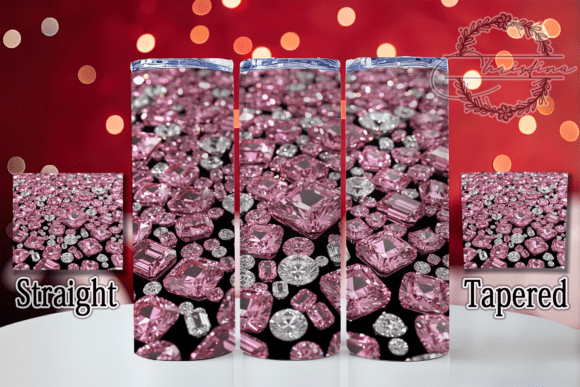
At its core, the 3D Luxury Diamond Bling Tumbler is a digital download, meaning no physical item is shipped. This distinction is vital for buyers who may be accustomed to receiving pre-printed merchandise. The value proposition lies entirely in the quality and usability of the digital files provided. The listing includes two distinct PNG files:
- Straight Design: A rectangular layout suitable for wrapping around the main body of the tumbler where the walls are vertical.
- Tapered Design: A contoured layout designed to match the specific curvature of a 20oz skinny tumbler, which narrows toward the bottom.
Both files are delivered at a high resolution of 300 DPI (dots per inch). In the context of sublimation printing and heat transfer vinyl (HTV), DPI is a critical metric. A resolution of 300 DPI ensures that when the design is scaled up to fit the surface area of a tumbler, the image remains crisp and free of pixelation. Lower-resolution files often result in blurry edges or jagged lines, which can detract from the "luxury" appeal the design aims to convey. The inclusion of both straight and tapered versions demonstrates an awareness of the geometric challenges inherent in decorating cylindrical objects, saving the user time on manual distortion adjustments in graphic design software.
Visual Appeal and Market Positioning
The term "bling" in modern craft markets does not necessarily refer to literal plastic rhinestones glued onto a surface. Instead, it refers to a visual effect achieved through digital rendering that simulates light reflection, depth, and texture. The 3D Luxury Diamond Bling Tumbler leverages gradients, shadows, and highlights to create the illusion of three-dimensional diamonds or crystals.
This approach offers several advantages over physical embellishments. First, it reduces production time. Gluing individual rhinestones is labor-intensive and prone to breaking during shipping. Second, it allows for more intricate patterns that would be difficult or prohibitively expensive to replicate with physical stones. Third, it maintains a sleeker profile, which many consumers prefer for everyday carry items like travel mugs.
For the target audience of adults aged 20–50, who often seek products that balance aesthetics with functionality, this design hits a sweet spot. It appeals to those looking for a touch of glamour without the fragility associated with actual jewelry-like decorations. The "luxury" aspect is conveyed through the color palette and the sharpness of the rendered elements, positioning the final product as a premium gift item rather than a basic novelty.
Versatility Beyond the Skinny Tumbler
While the primary marketing for this asset highlights its compatibility with 20oz skinny tumblers, the underlying PNG format offers significant flexibility. Because the files are high-resolution raster images, they can be resized to suit a variety of creative projects. However, this versatility comes with caveats that users must consider.
Potential Applications:
- Phone Cases: The diamond pattern can work well on slim-profile phone cases, particularly if cropped or repeated strategically.
- Laptop Sleeves: Larger formats can accommodate the design for tech accessories.
- Apparel Graphics: While less common for full-front prints due to the complexity, the design could serve as a chest logo or back print element if simplified or isolated.
It is important to note that while resizing is possible, scaling down too much may cause the fine details of the "diamonds" to become indistinct. Conversely, scaling up beyond the original dimensions may introduce artifacts if the source file does not have sufficient vector data (which PNGs do not; they are pixel-based). Therefore, the best results are achieved when using the design within its intended scale range or slightly larger, relying on the 300 DPI buffer for minor enlargements.
Comparative Analysis: Digital vs. Physical Alternatives
When evaluating the 3D Luxury Diamond Bling Tumbler, it is helpful to compare it against other methods of achieving a similar look on drinkware.
Sublimation Printing vs. Vinyl Cutting
The PNG format is ideal for sublimation printing, where ink is transferred to polyester-coated surfaces using heat. The gradient-heavy nature of the 3D bling design translates beautifully to sublimation, allowing for smooth color transitions that mimic metallic sheen. If you primarily use HTV (Heat Transfer Vinyl), this design presents a challenge. Standard vinyl cannot easily replicate gradients or semi-transparent effects. You would need to use specialty vinyls like glitter or holographic layers, which requires precise layering and weeding. For pure vinyl users, this asset might require significant adaptation or may not yield the desired "3D" effect.
Digital Downloads vs. Custom Illustrations
Buying a pre-made digital asset like this is generally more cost-effective than hiring a custom illustrator for every new design trend. However, it lacks uniqueness. Many other sellers may offer similar "bling" styles. The differentiator here is the specific preparation for 20oz skinny tumblers (straight vs. tapered) and the specific artistic style chosen by Chrisfina. If brand differentiation is your top priority, you might need to modify the base design or combine it with other elements to avoid a generic appearance.
Decision Factors: When to Choose This Asset
Selecting the right digital asset depends on your specific business model and technical setup. Here are key factors to consider:
- Production Method: If you specialize in sublimation on 20oz skinny tumblers, this asset is a strong candidate. If you rely heavily on vinyl, assess whether you have the skills to layer colors effectively to mimic the 3D effect.
- Quality Control: Check your printer calibration. As noted in the disclaimer, screen colors and printed colors can vary. The "luxury" look relies on accurate color representation. If your printers tend to produce washed-out blacks or dull metallics, the impact of the design may be diminished.
- Target Audience Preferences: Does your customer base respond well to flashy, glamorous aesthetics? Or do they prefer minimalist, matte finishes? The 3D Luxury Diamond Bling Tumbler is a bold statement piece. It may not appeal to customers seeking understated elegance.
- Time Efficiency: Using a pre-sized, tapered file saves setup time. If you produce high volumes of these specific tumblers, the convenience of having the correct geometry already mapped out can improve your turnaround time.
Limitations and Considerations
No digital asset is without limitations. One notable constraint is the static nature of the PNG format. Unlike vector files (such as SVG or AI), PNGs do not allow for easy editing of individual elements. You cannot, for example, change the color of a single diamond within the cluster without affecting the entire composition or resorting to complex masking techniques in photo editing software. This limits customization options after purchase.
Additionally, the "color disclaimer" mentioned in the listing is a practical reality of digital commerce. Monitor settings vary widely across devices. A design that looks vibrant on a calibrated professional monitor may appear darker or less saturated on a consumer laptop. It is advisable to always print a test sample before committing to large-scale production runs to ensure the color matches your expectations.
Conclusion
The 3D Luxury Diamond Bling Tumbler represents a specialized tool for creators in the custom drinkware space. Its strengths lie in its high-resolution output, thoughtful preparation for specific tumbler shapes, and the ability to simulate premium textures digitally. It is particularly well-suited for sublimation printers targeting the 20oz skinny tumbler market with a focus on glamorous, eye-catching designs.
However, buyers should be aware of the limitations regarding customization flexibility and the importance of printer calibration. For those willing to invest in quality printing equipment and understand the nuances of raster graphics, this asset can be a valuable addition to their inventory. It offers a balance between aesthetic appeal and production efficiency, making it a competitive option for small businesses looking to capitalize on current trends in personalized giftware.
Ultimately, the decision to incorporate this design should be based on a clear assessment of your production workflow, your target demographic's taste, and your ability to maintain high print quality. By weighing these factors, you can determine if the 3D Luxury Diamond Bling Tumbler aligns with your creative goals and business strategy.