3D Whitetail Deer Hunting Tumbler: A Designer’s Guide to Avoiding Common Pitfalls
The world of sublimation and custom drinkware is booming, driven by a passionate community of hobbyists, small business owners, and creative entrepreneurs. Among the most popular items in this niche is the 20oz skinny tumbler, prized for its sleek profile and ability to hold ice-cold beverages during long days outdoors. When searching for designs that resonate with this audience, the 3D Whitetail Deer Hunting Tumbler stands out as a compelling choice. It combines the rugged aesthetic of hunting culture with high-quality digital artistry.
However, simply downloading a file and hitting "print" is rarely enough to guarantee success. Many creators rush into production without understanding the nuances of digital assets, leading to frustrated customers and wasted materials. This guide explores what makes this specific design valuable, highlights common misunderstandings regarding digital downloads, and provides practical advice on how to achieve professional results when applying this artwork to your projects.
Understanding the Digital Asset
Before diving into application techniques, it is crucial to understand exactly what you are acquiring. The 3D Whitetail Deer Hunting Tumbler listing refers to a digital product, not a physical object. This distinction is often overlooked by first-time buyers who expect a shipped item. In reality, you are purchasing a license to use high-resolution image files for your own commercial or personal creations.
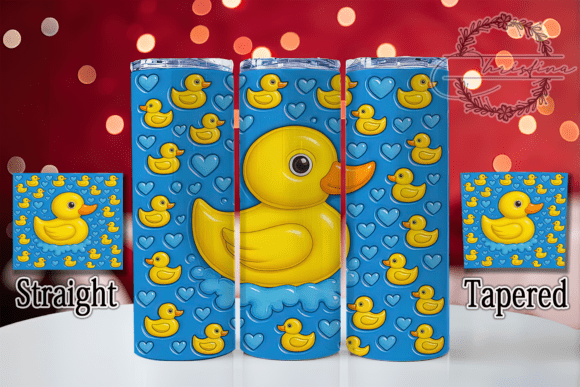
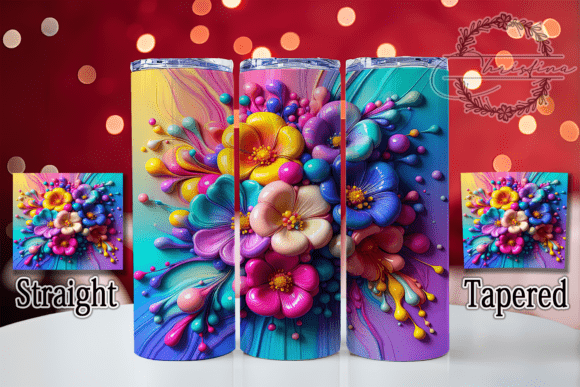
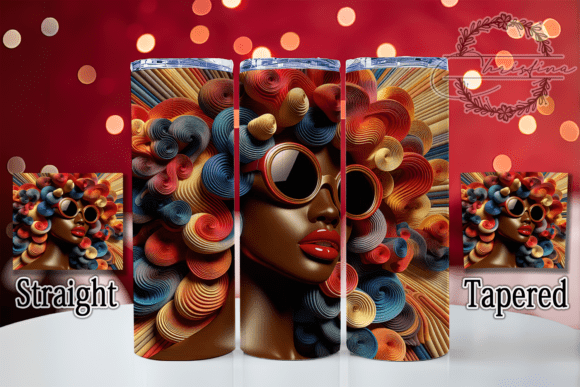
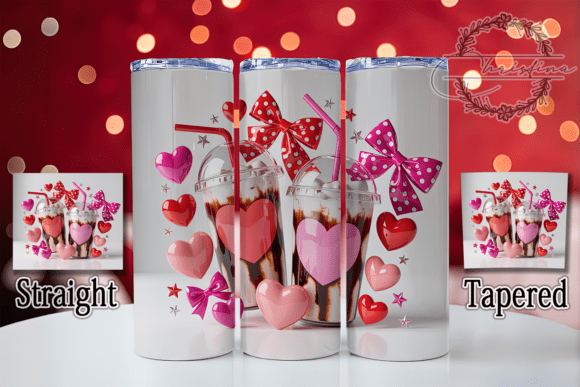
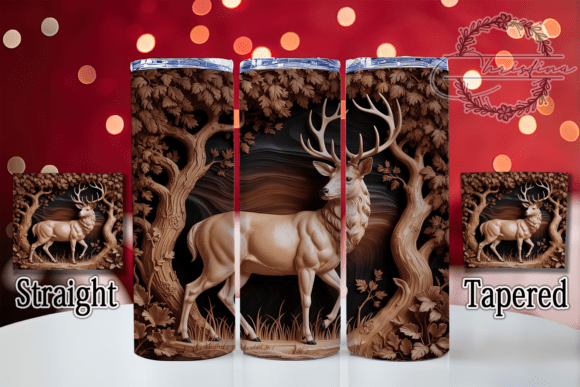
The package typically includes two distinct PNG files:
- Straight Design: This version is optimized for flat surfaces or straight-walled containers. It ensures the image appears undistorted if applied to non-tapered items.
- Tapered Design: This is the critical file for 20oz skinny tumblers. Because these tumblers narrow at the bottom, a straight image will stretch or compress awkwardly. The tapered file is pre-distorted to counteract this geometry, ensuring the deer graphic looks natural and proportional once wrapped around the curve.
Both files are provided at 300 DPI (dots per inch), which is the industry standard for high-quality printing. This resolution ensures that fine details in the fur texture, antlers, and background scenery remain crisp, avoiding the pixelation that ruins professional-looking merchandise.
Common Mistakes in Sublimation Printing
Even with perfect files, the final output depends entirely on the execution. One of the most frequent errors beginners make is ignoring the specific requirements of their printer and transfer paper. Sublimation ink turns into gas under heat, bonding with polyester fibers. If your blank tumbler does not have a sufficient polyester coating, the image will wash off after the first use. Always verify that your blanks are labeled as "sublimation-ready" or have a high-polyester content coating.
Another significant pitfall involves color management. The listing explicitly notes a color disclaimer due to monitor variations. Screens emit light, while printed materials reflect it. A vibrant orange on your screen might appear muddy brown on the finished tumbler if your printer profiles are not calibrated correctly. To mitigate this, test print on scrap material before committing to expensive blanks. Adjust your color settings in your design software to match the ICC profile of your specific printer and paper combination.
The Danger of Ignoring File Formats
Some users attempt to convert low-resolution JPEGs into PNGs, hoping to save money. This is a false economy. A JPEG uses lossy compression, meaning data is discarded every time the file is saved. By the time you try to scale it up for a large print, the artifacts become glaringly obvious. The 3D Whitetail Deer Hunting Tumbler comes as a native PNG, preserving transparency and quality. Using the correct format from the start prevents the need for costly reprints and maintains your reputation for quality.
Maximizing Versatility Beyond Tumblers
While designed for 20oz skinny tumblers, the value of this asset extends further. The "versatile use" aspect mentioned in the description is key. You can resize the design for phone cases, laptop sleeves, or even apparel, provided you account for the change in curvature. However, remember that resizing vector-like raster images too much can lead to softness. Stick to enlarging within reasonable limits; shrinking is generally safer than enlarging.
For those running a small business, consider bundling this design with other hunting-themed elements. Create a cohesive collection that appeals to the same demographic. Marketing consistency builds trust. If your store specializes in outdoor gear, having a matching hat, mug, and tumbler design creates a premium feel that standalone items cannot achieve.
Evaluating Your Purchase Decision
When evaluating whether to buy this digital download, ask yourself a few practical questions. First, do you have the equipment? You need a reliable heat press capable of maintaining consistent temperature and pressure around cylindrical objects. An inconsistent press will result in faded spots or ghosting, regardless of how good the file is.
Second, consider your target audience. Are they looking for realistic, detailed art or stylized graphics? The 3D style of the whitetail deer suggests a preference for realism. Ensure your marketing language reflects this. Use terms like "high-definition," "detailed fur texture," and "premium finish" to set expectations.
Finally, check the licensing terms. Most digital designs come with a Personal Use License or a Commercial License. If you plan to sell the finished tumblers, ensure your purchase includes commercial rights. Selling items made with restricted files can lead to legal issues and account bans on platforms like Etsy or Amazon Handmade.
Conclusion
The 3D Whitetail Deer Hunting Tumbler offers a strong foundation for creating appealing custom drinkware. By understanding the difference between straight and tapered files, respecting color calibration limits, and using proper sublimation techniques, you can avoid common pitfalls and produce high-quality products. Remember, the file is only half the equation; your skill in application determines the final success. Take the time to calibrate, test, and refine your process, and you will find that this design becomes a staple in your inventory.
If you encounter any issues with the files or need clarification on usage, reach out to the creator. Supportive communication fosters better outcomes for both the designer and the end-user. Happy crafting, and may your prints be crisp and your sales be steady.