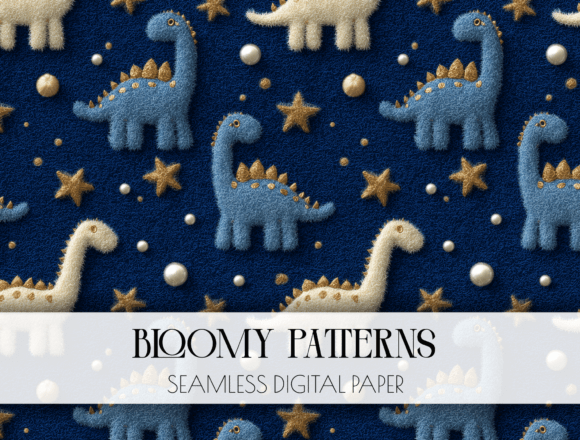
3D Dinosaur: Elevating Your Creative Projects with High-Resolution Digital Assets
In the world of digital design and crafting, the demand for unique, high-quality visual assets is higher than ever. Whether you are a small business owner creating custom merchandise, an educator designing classroom materials, or a hobbyist looking to add a personal touch to scrapbooks, the right image can make all the difference. One asset that has gained significant traction among creators is the 3D Dinosaur. This high-resolution design offers a blend of realism and charm that works exceptionally well across various mediums, from invitations and scrapbooking to sublimation and custom prints.
However, simply downloading a file is not enough to ensure professional results. Many creators overlook critical details regarding file formats, resolution, and licensing, which can lead to frustrating outcomes such as pixelated prints or unexpected costs. Understanding the technical specifications and practical applications of assets like the 3D Dinosaur is essential for achieving the best possible results in your creative projects.
Understanding the Value of High-Resolution 3D Designs
A 3D dinosaur model or texture pack provides depth, lighting, and detail that flat 2D illustrations often lack. When rendered correctly, these images capture the intricate scales, textures, and dynamic poses that bring prehistoric creatures to life. For designers, this means more engaging visuals that stand out on social media, product packaging, or educational materials. The versatility of a well-designed 3D dinosaur allows it to be used in children’s books, museum exhibits, video game assets, or even fashion prints.
The appeal lies in its adaptability. A single high-quality 3D render can be cropped, recolored, or placed into different backgrounds to suit specific branding needs. This flexibility saves time and resources, allowing creators to produce diverse content without needing to commission new artwork for every project. Furthermore, the "magical" aspect of dinosaurs taps into universal fascination, making them effective tools for capturing audience attention in marketing campaigns or educational settings.
Common Mistakes When Using Digital Design Assets
While the potential of using a 3D dinosaur asset is vast, many users fall into common traps that compromise the quality of their final output. Being aware of these pitfalls is the first step toward avoiding them.
- Ignoring Resolution Specifications: One of the most frequent errors is assuming that all digital images are suitable for printing. If you intend to create physical products like t-shirts, mugs, or large banners, you need high-resolution files. Low-resolution images may look fine on a screen but will appear blurry or pixelated when printed. Always check the DPI (dots per inch) of the file before purchasing or downloading.
- Overlooking File Formats: Different projects require different file types. For example, PNG files are ideal for designs with transparent backgrounds, while JPG files are better for photos where transparency isn't needed. Using the wrong format can result in unwanted white boxes around your subject or loss of image quality due to compression artifacts.
- Neglecting Licensing Rights: Not all digital assets are free for commercial use. Some licenses restrict usage to personal projects only, meaning you cannot sell items created with them. Misunderstanding these terms can lead to legal issues and financial penalties. Always read the license agreement carefully to understand what you can and cannot do with the asset.
- Assuming Seamless Tiling Without Verification: For patterns used in wrapping paper, fabric, or digital backgrounds, seamless tiling is crucial. If a pattern does not tile seamlessly, visible edges will disrupt the flow of the design. Creators should verify that the asset supports seamless repetition both vertically and horizontally if that is part of their intended use.
Technical Specifications That Matter
To ensure your 3D dinosaur asset performs well in your projects, pay close attention to the technical details provided by the seller or creator. Here is what you should look for:
Resolution and Dimensions
A standard high-quality digital paper or image for crafting is typically 12 x 12 inches at 300 DPI. This size and resolution provide a balance between file manageability and print clarity. For instance, a file sized 30.5 x 30.5 cm at 300 DPI is ideal for high-quality printing on standard craft papers, cards, and photo prints. If you plan to scale the image up significantly, ensure the source file has sufficient megapixel count to maintain sharpness.
Format Versatility
Receiving your asset in both PNG and JPG formats offers maximum utility. PNG files preserve transparency, allowing you to place the 3D dinosaur over any background without a bounding box. JPG files are universally compatible and smaller in file size, making them easier to upload to websites or email. Having both options ensures you are prepared for both print and digital applications.
Seamless Pattern Capability
If you are creating repeating patterns for textiles or wallpapers, verify that the design is truly seamless. A good seamless pattern allows you to stack tiles vertically and horizontally without visible seams or interruptions. This feature is particularly valuable for sublimation printing, where large, continuous images are required for garments and home decor items.
Practical Advice for Better Results
To get the most out of your 3D dinosaur asset, follow these practical steps during your workflow:
- Preview Before You Print: Always create a test print on the actual material you plan to use. Colors may shift depending on the printer type (inkjet vs. laser) and the paper stock. A small test square can save you from wasting expensive materials.
- Check Color Profiles: Screens display colors in RGB (Red, Green, Blue), while printers use CMYK (Cyan, Magenta, Yellow, Key/Black). There is often a discrepancy between how colors look on your monitor and how they print. Adjusting your color profile in editing software can help bridge this gap and ensure accurate color representation.
- Use Appropriate Software: Ensure you are using software that supports the file format and resolution. Basic viewers might not handle 300 DPI images well, leading to slow performance or distorted previews. Professional design tools like Adobe Photoshop or Illustrator offer better control over high-resolution assets.
- Consider the Background: If the asset does not have a transparent background, think about how it will interact with your chosen backdrop. Contrasting colors and complementary elements can enhance the visibility and impact of the 3D dinosaur.
Evaluating Your Choice
Before finalizing your purchase or download, take a moment to evaluate whether the 3D dinosaur asset aligns with your project goals. Ask yourself if the style matches your brand identity, if the resolution meets your printing requirements, and if the license permits your intended use. By doing so, you avoid costly mistakes and ensure that your creative vision is realized effectively.
Ultimately, the success of your project depends on the quality of the assets you choose. By prioritizing high-resolution, versatile, and properly licensed designs, you set yourself up for success. Whether you are crafting party decor, greeting cards, or printable gifts, a well-chosen 3D dinosaur can add a festive and engaging touch to your work, delighting your audience and enhancing your professional reputation.